

Vibrating Screen Hooks, Reinforcing Strips and Tensioning
Hook strip types for vibrating screen mesh, why reinforcing strips matter, how to tension evenly, signs of poor tension and when to re-tension.
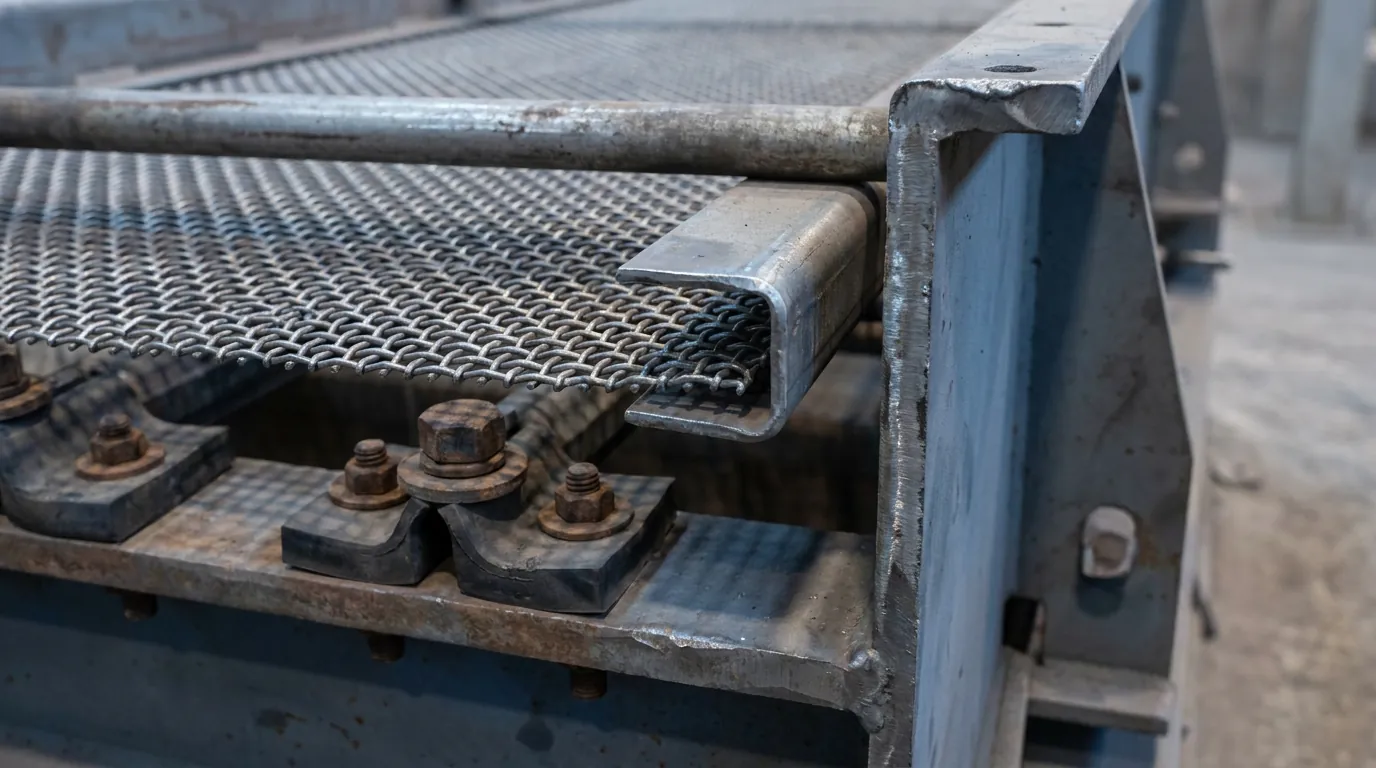
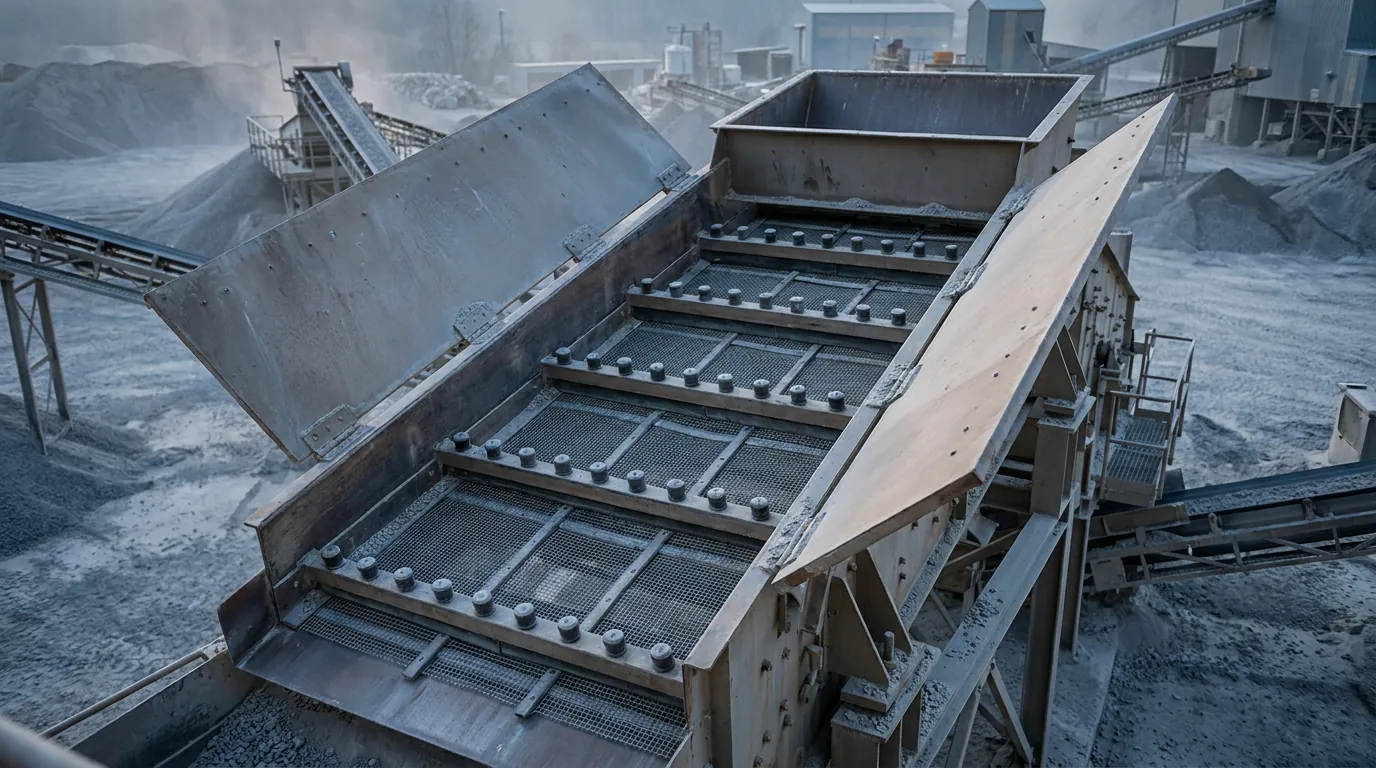
Most woven and harp screen panels on side-tensioned decks are held by their hooks. The hook is where the tension bolts pull, and it is where many panels fail first. Getting the hook type right for your machine and tensioning it evenly does more for panel life than almost any other change.
Common hook types
The hook is a fold along each tensioned edge of the panel. Its shape must match the side plate and tension rail of the screen, so always take it from the OEM drawing or a sample of the old panel rather than guessing.
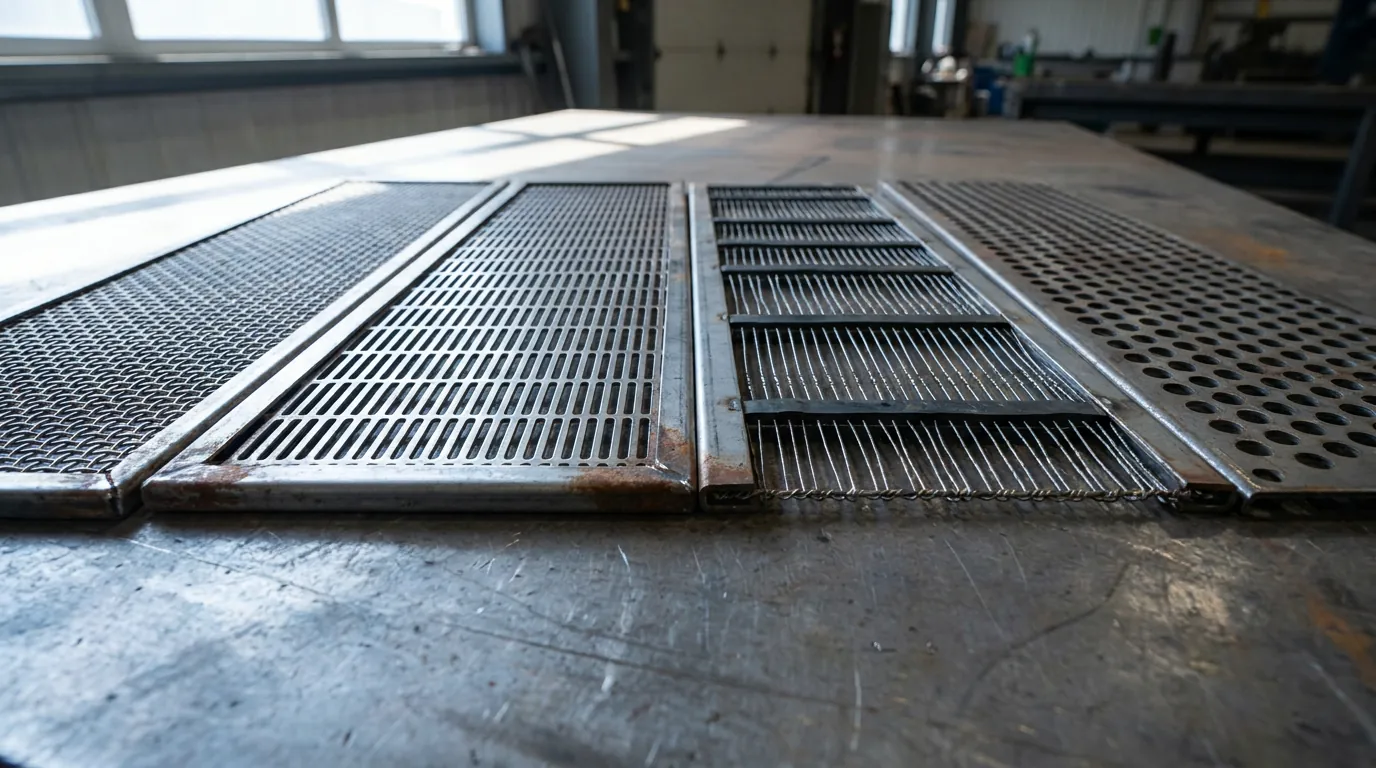
- 180° hook (U hook): the edge is folded fully back on itself. Used on many decks where a tension rail or clamp bar pulls the panel sideways.
- 30° and 45° hooks: the edge is bent to an angle that matches an angled tension rail or side plate profile. The angle must match, otherwise the load sits on one corner of the bend.
- Flat edge or unhooked: used where panels are clamped, bolted or wedged rather than hook-tensioned.
Measure the hook depth and the distance between hooks across the panel. If the panel is even a little too wide, the tension rail bottoms out before the mesh is tight. If it is too narrow, the bolts run out of thread.
Why reinforcing strips are used
A plain wire hook concentrates the tension load on a few wires at the bend. Reinforcing strips, usually galvanised or stainless sheet folded into the hook, spread the load evenly across all the wires and stop the hook from opening out or cutting through under vibration. They also protect the wire ends from the tension rail. On heavy wire and wide decks they are standard. On light mesh they help prevent the hook from straightening when tension is applied.
Why even tension matters
A side-tensioned panel is pulled down over crowned support bars. Correct tension makes the mesh sit firmly on the crown along its whole length and vibrate with the deck as one body. When tension is low or uneven, the mesh moves relative to the deck. Each stroke it lifts and slaps down on the support bars, and the wires work-harden and fatigue at those contact lines.
Tighten the bolts in a sequence from the centre outwards, a little at a time, so the load builds evenly. Using a torque wrench set to the value in the screen manual gives repeatable results between fitters. Over-tightening is also a fault: it can tear the hook or overload the wire before the first shift.
Signs of poor tension
- A drumming or slapping sound from the deck while running.
- Visible ripple or bounce in the mesh when compared with the side plates.
- Wire breaks in lines directly over the crown bars or stringers.
- Breaks or cracks along the hook bend.
- Worn grooves in the crown bar rubber where the mesh has been moving.
- Material running along one side of the deck because the mesh has sagged or crowned unevenly.
Breaks over the support bars almost always mean tension or worn crown rubber, not a wrong wire size. Fix that before changing the mesh specification.
Re-tension after run-in
New panels bed in during their first hours of running. The hooks seat into the rail, the mesh settles on the crown rubber and the crimps relax slightly. Tension drops as a result. Stop the screen after the first few hours of operation and re-tension, then check again at the end of the first shift and at regular planned stops after that. Follow the screen maker's interval where one is given.
Also check the crown bar rubber or beading at each panel change. Worn, cracked or missing rubber means the mesh rides on bare steel, and no amount of tension will stop it fatiguing there. Our guide to rubber and PU beading for screens covers the options.
Gujarat Wire Nettings makes vibrating screen panels with 180°, 30° and 45° hooks, with or without reinforcing strips, to your OEM drawing or sample. Send the panel size, hook type, aperture and wire diameter through the contact page and we will quote.