


Mesh, sheets and screens, explained
Practical guides on choosing, specifying and looking after wire mesh, perforated sheets and vibrating screens.
25 of 25 articles
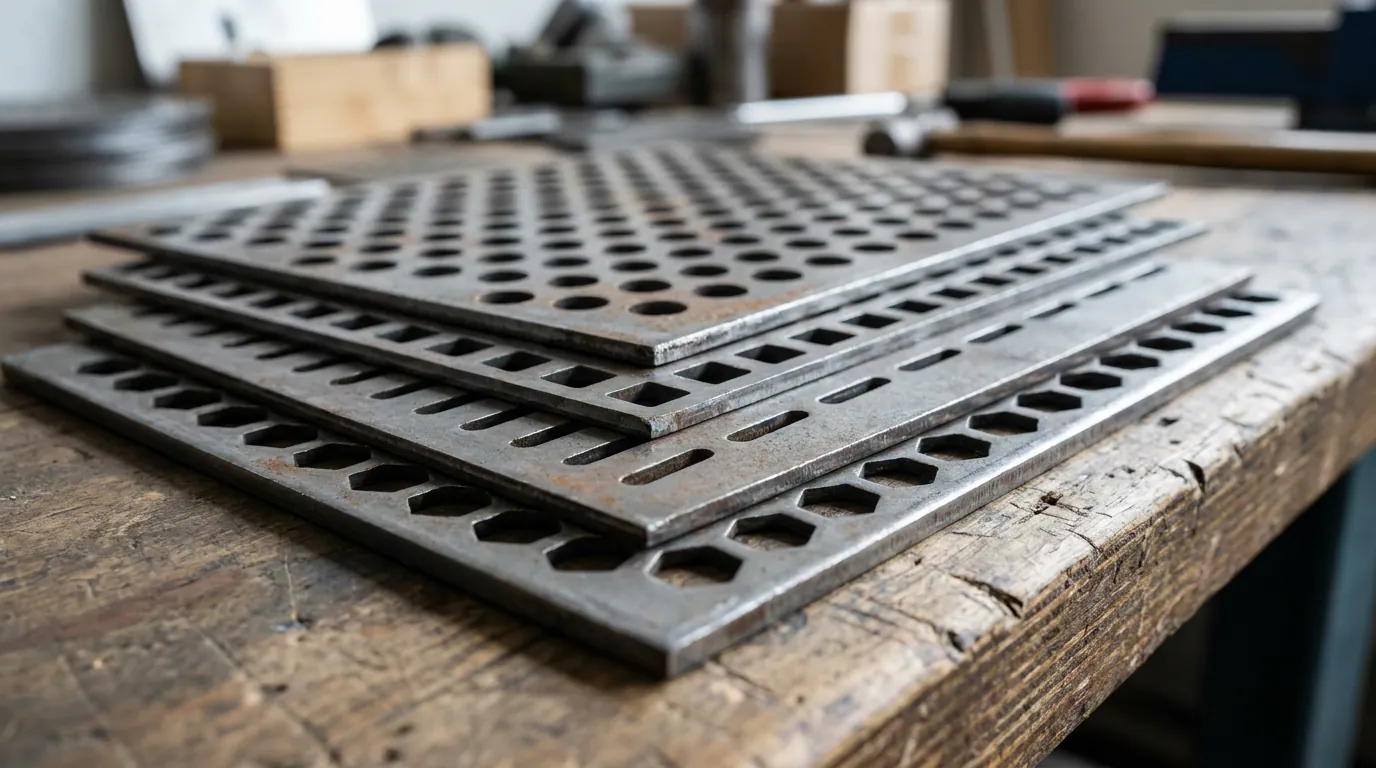
Perforated Sheet Hole Patterns: Round, Square, Slotted and Hex
Round, square, slotted and hexagonal holes, straight and 60° staggered layouts, and which perforated sheet pattern suits which job.

How to Calculate Open Area of a Perforated Sheet
Open area formulas for round holes on 60° staggered and straight pitch and square holes, with a worked example and why open area matters.
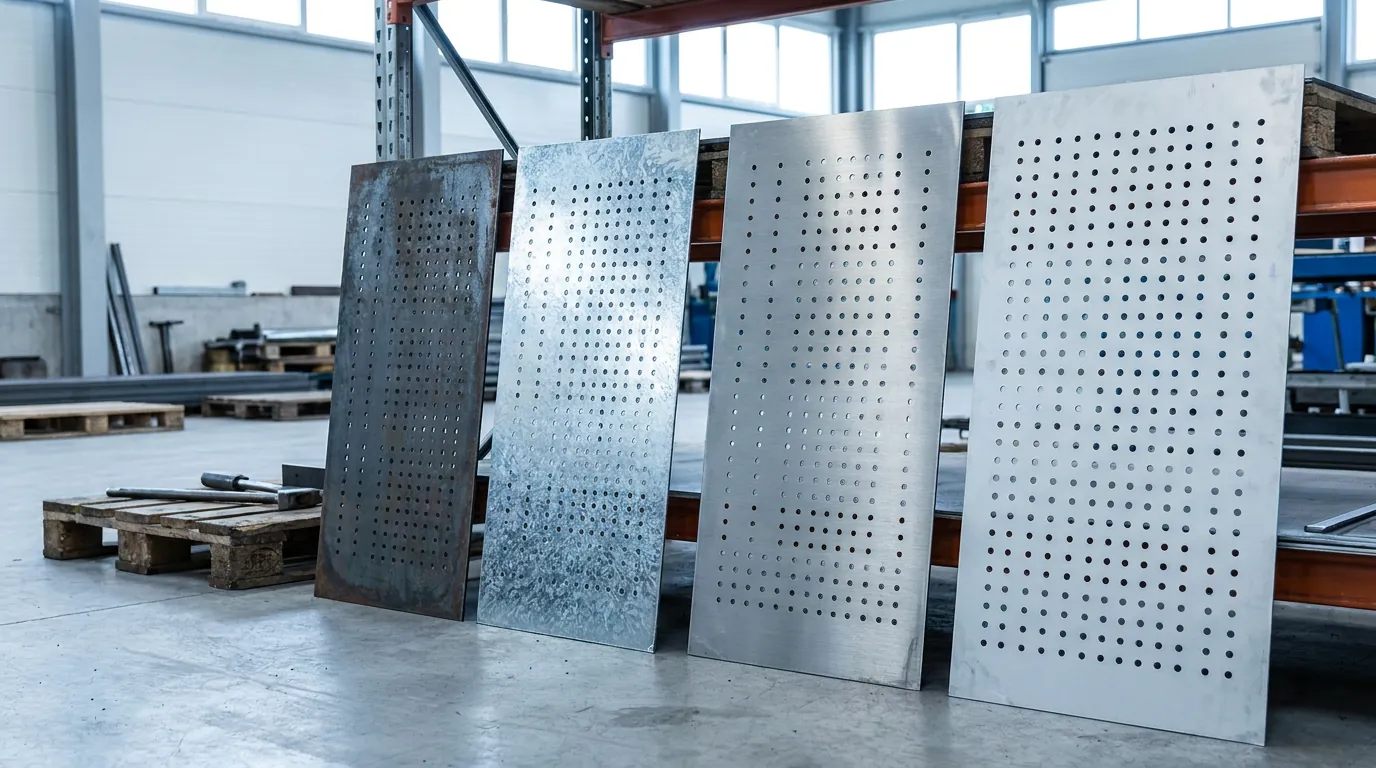
Perforated Sheet Materials: Mild Steel, GI, Stainless and Aluminium
How mild steel, galvanised, stainless 304 and 316, and aluminium perforated sheets compare on corrosion, cost and weight, and where each fits.
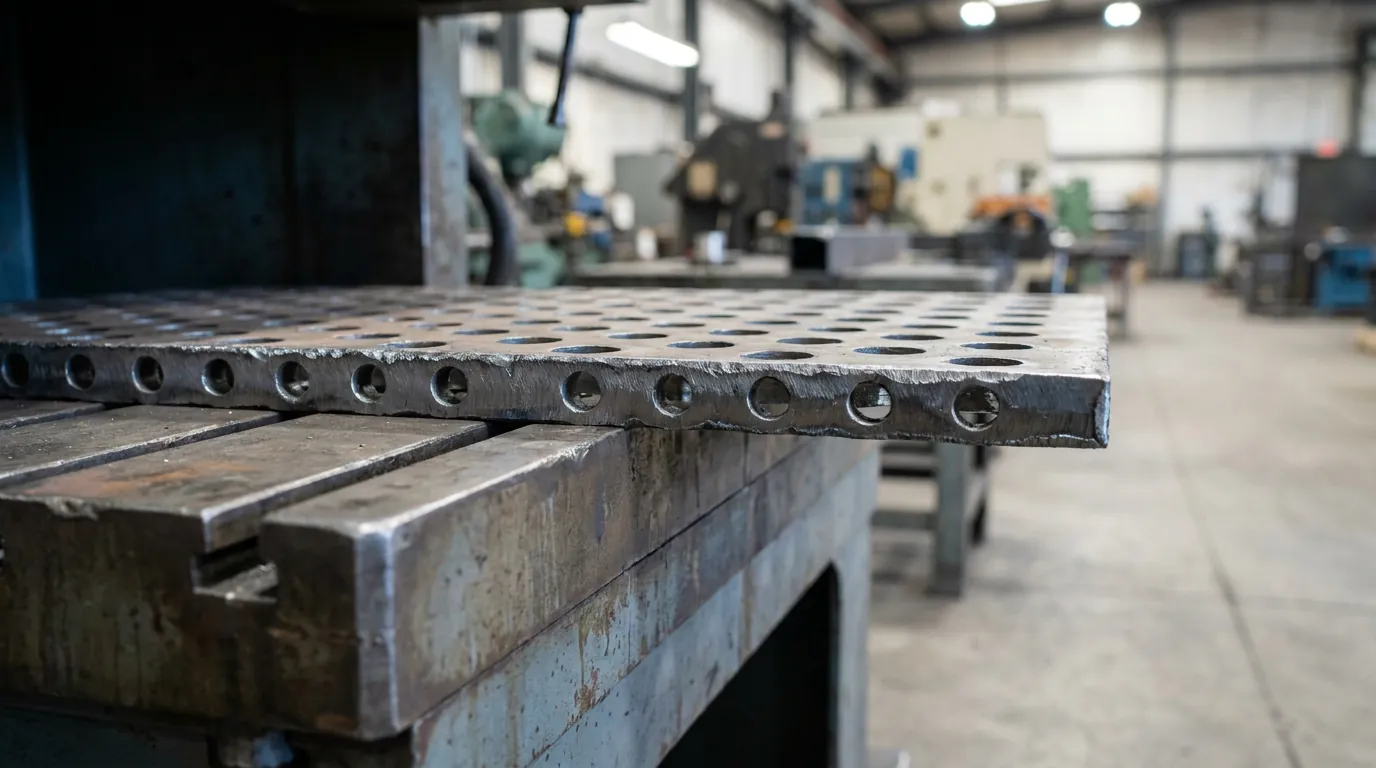
Perforated Sheet Thickness and Hole Size: Practical Limits
How hole diameter relates to sheet thickness when punching, plus bridge width, pitch, margins and flatness for perforated sheet designs.

Perforated Sheets in Architecture: Facades, Screens and Ceilings
How perforated metal is used in facades, sun screens, balustrades, ceilings and acoustic panels, with finishes and design points to check.
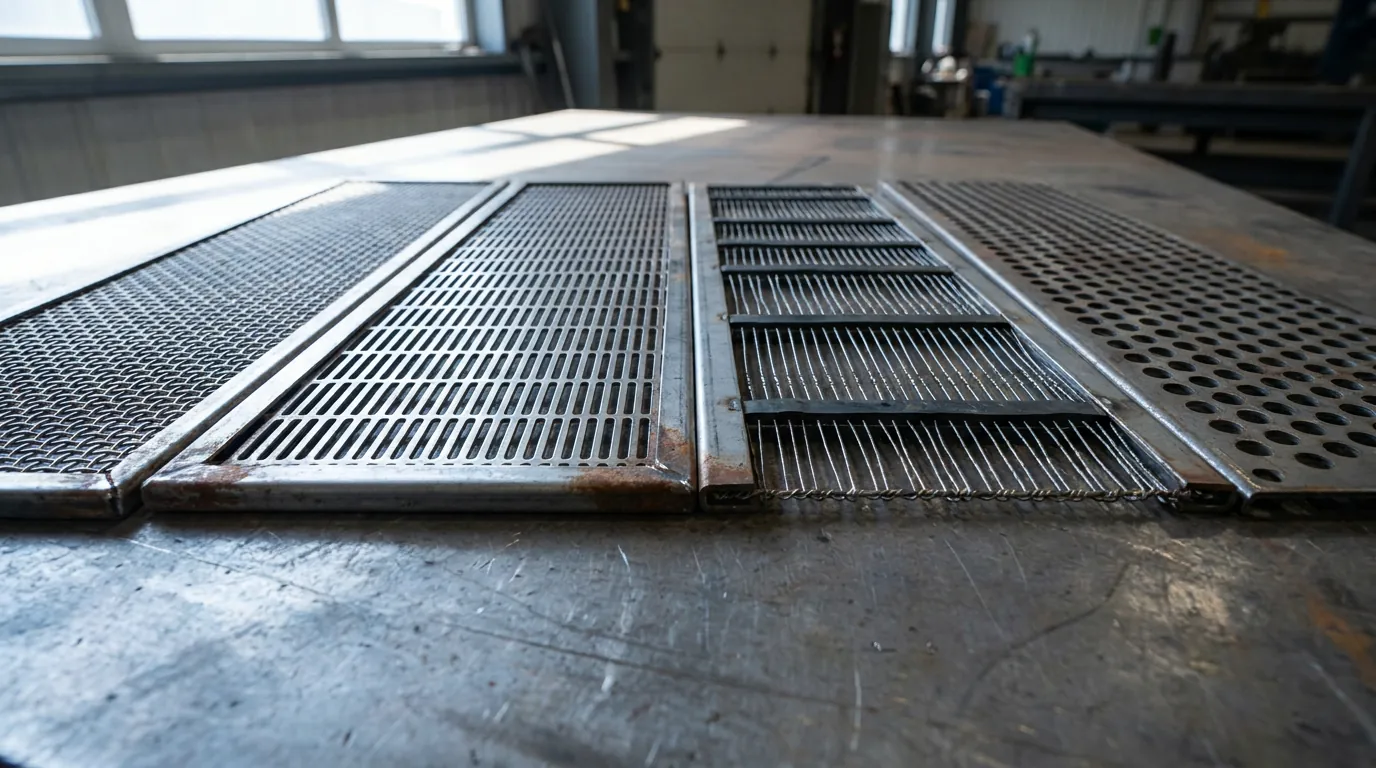
Vibrating Screen Mesh Types and Where Each One Fits
Woven square, slotted, harp, welded mesh, perforated plate and PU or rubber panels for vibrating screens, compared with practical pros and cons.
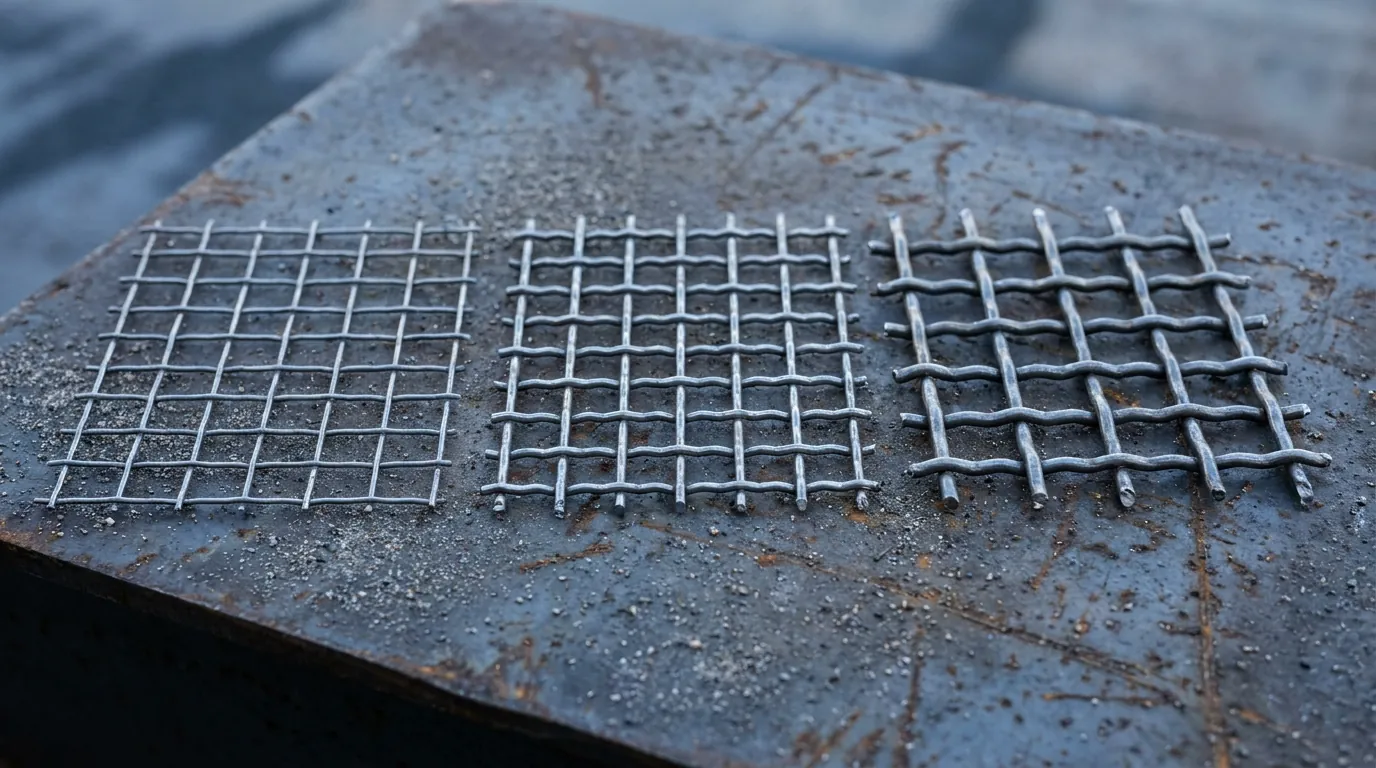
Choosing Wire Diameter for Vibrating Screen Mesh
How wire diameter affects open area, throughput and wear life on vibrating screens, with heavy, medium and light duty guidance and material choices.
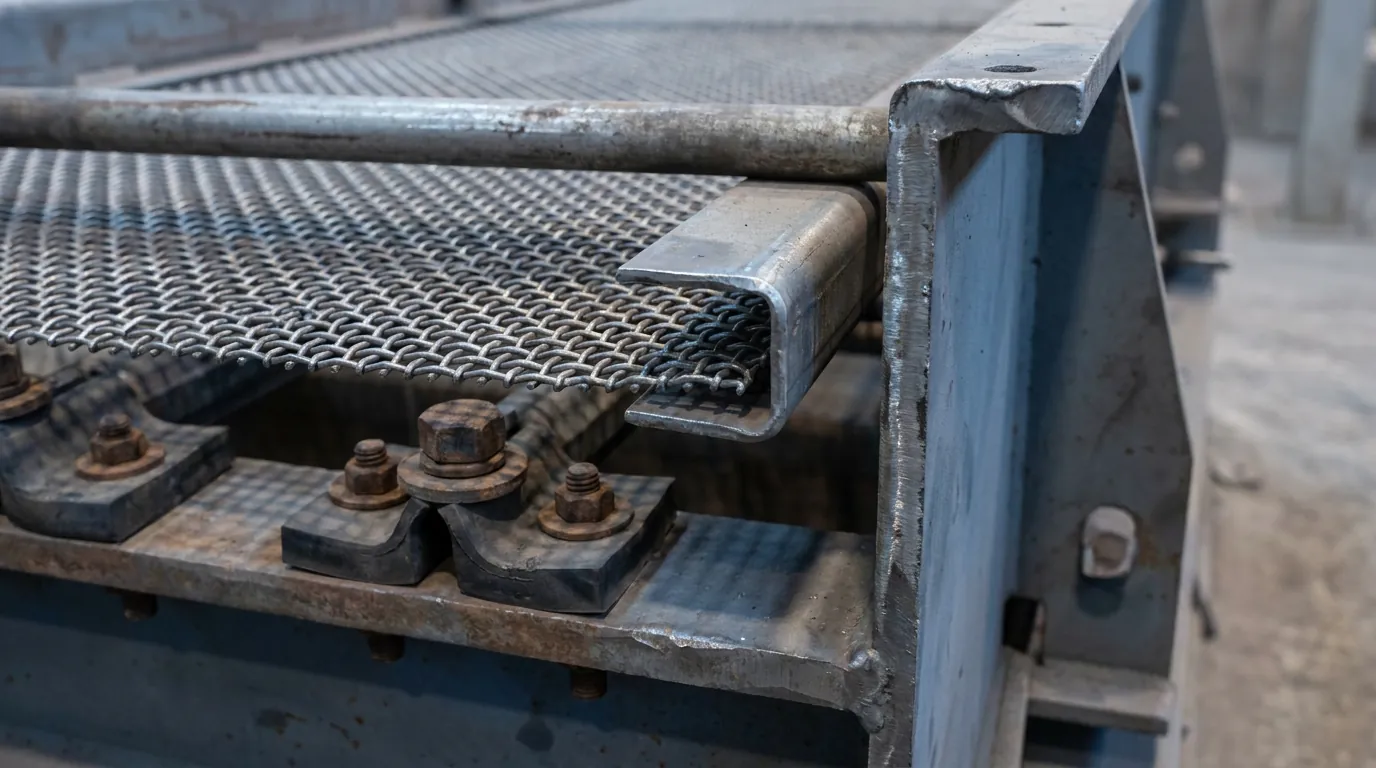
Vibrating Screen Hooks, Reinforcing Strips and Tensioning
Hook strip types for vibrating screen mesh, why reinforcing strips matter, how to tension evenly, signs of poor tension and when to re-tension.
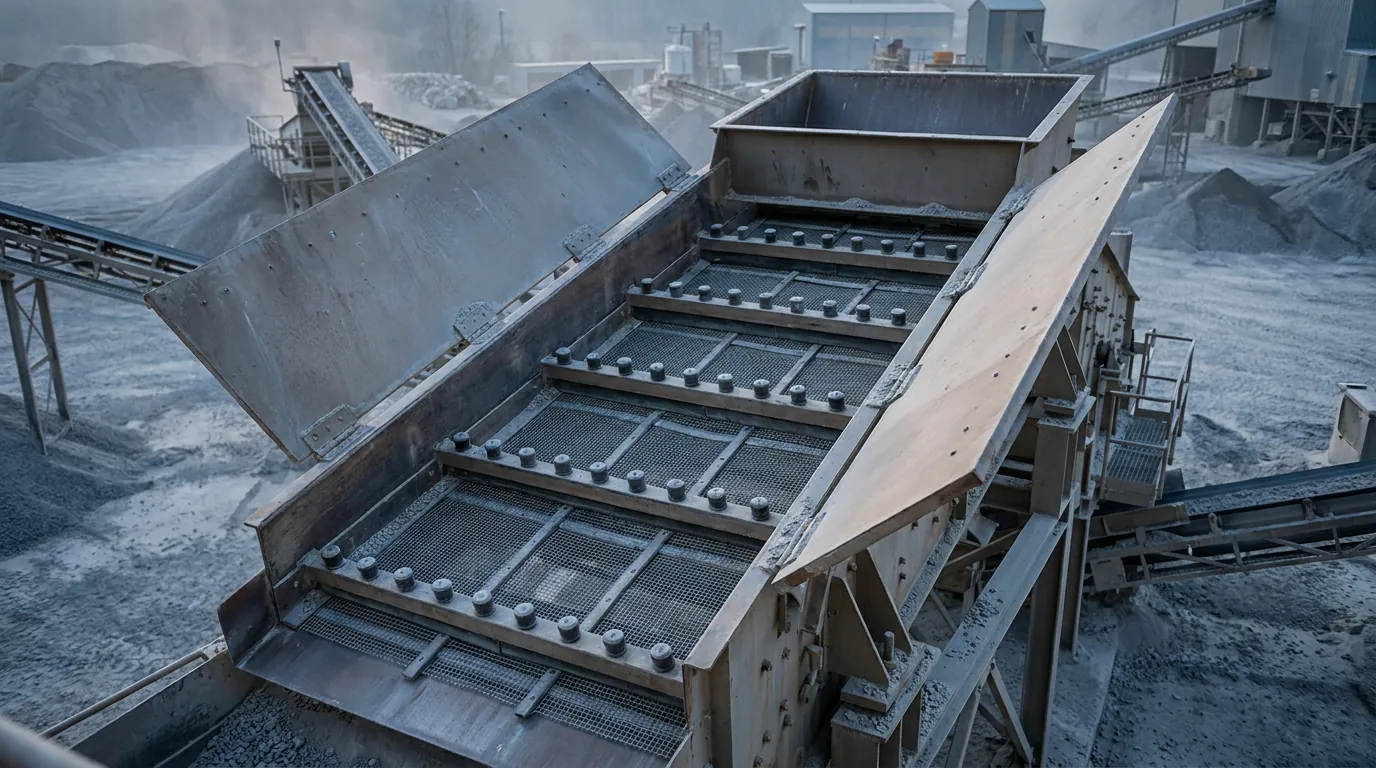
How to Extend Vibrating Screen Mesh Life
Practical steps to make vibrating screen mesh last longer: correct tension, crown bar rubber, even feed, impact plates, inspections and the right wire.
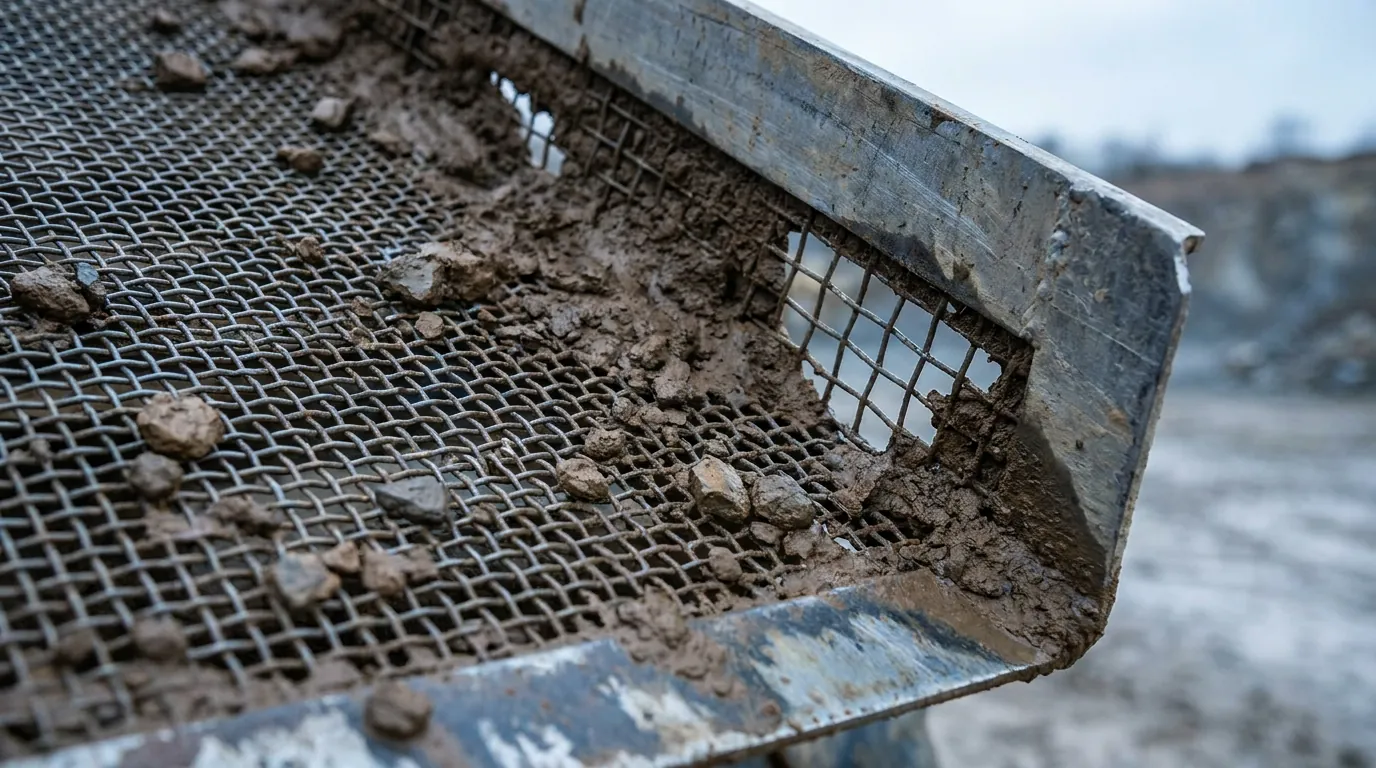
Screen Blinding and Pegging: Causes and Practical Fixes
What blinding and pegging are on vibrating screens, why moisture, near-size particles and clay cause them, and the mesh and process fixes that work.
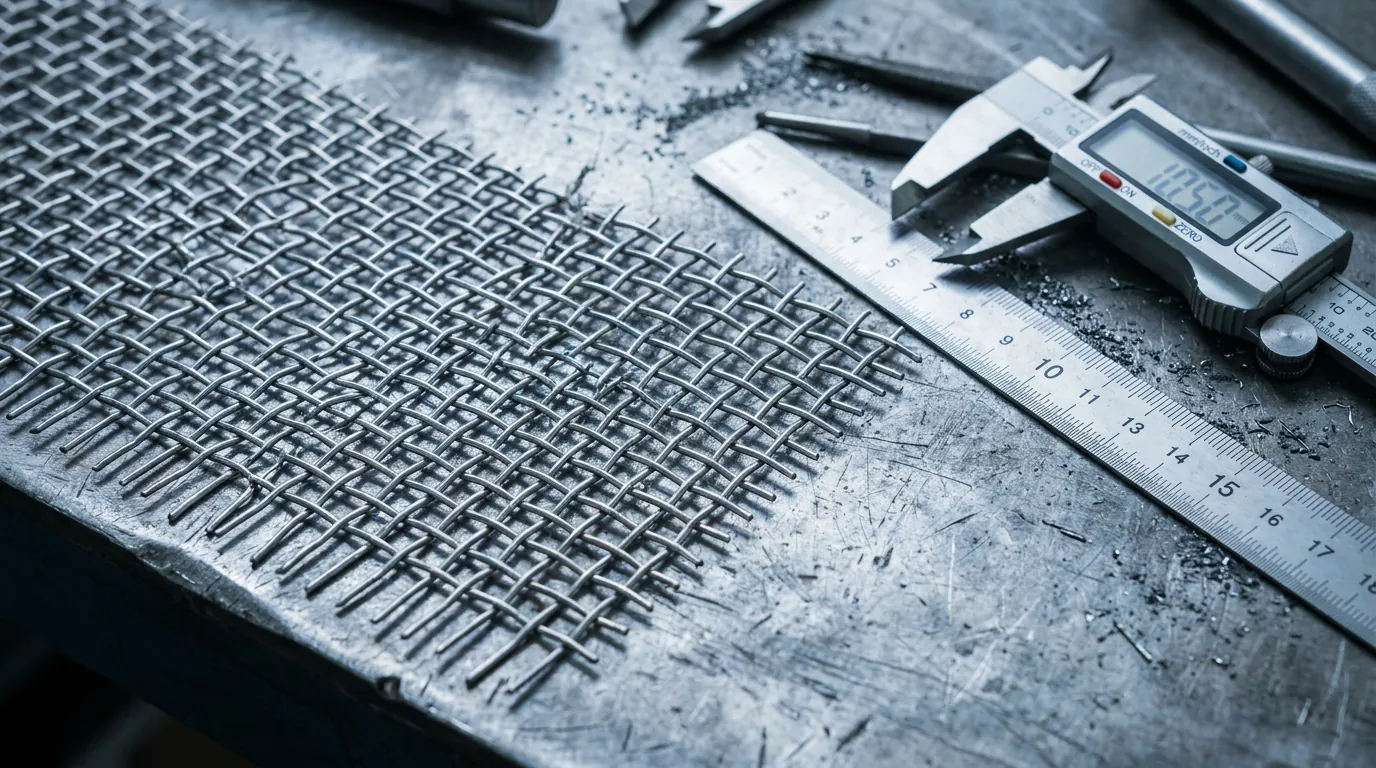
Mesh Count vs Aperture: How to Work Out the Real Opening
Mesh count tells you openings per inch, not opening size. How to calculate aperture from mesh count and wire diameter, with worked examples.
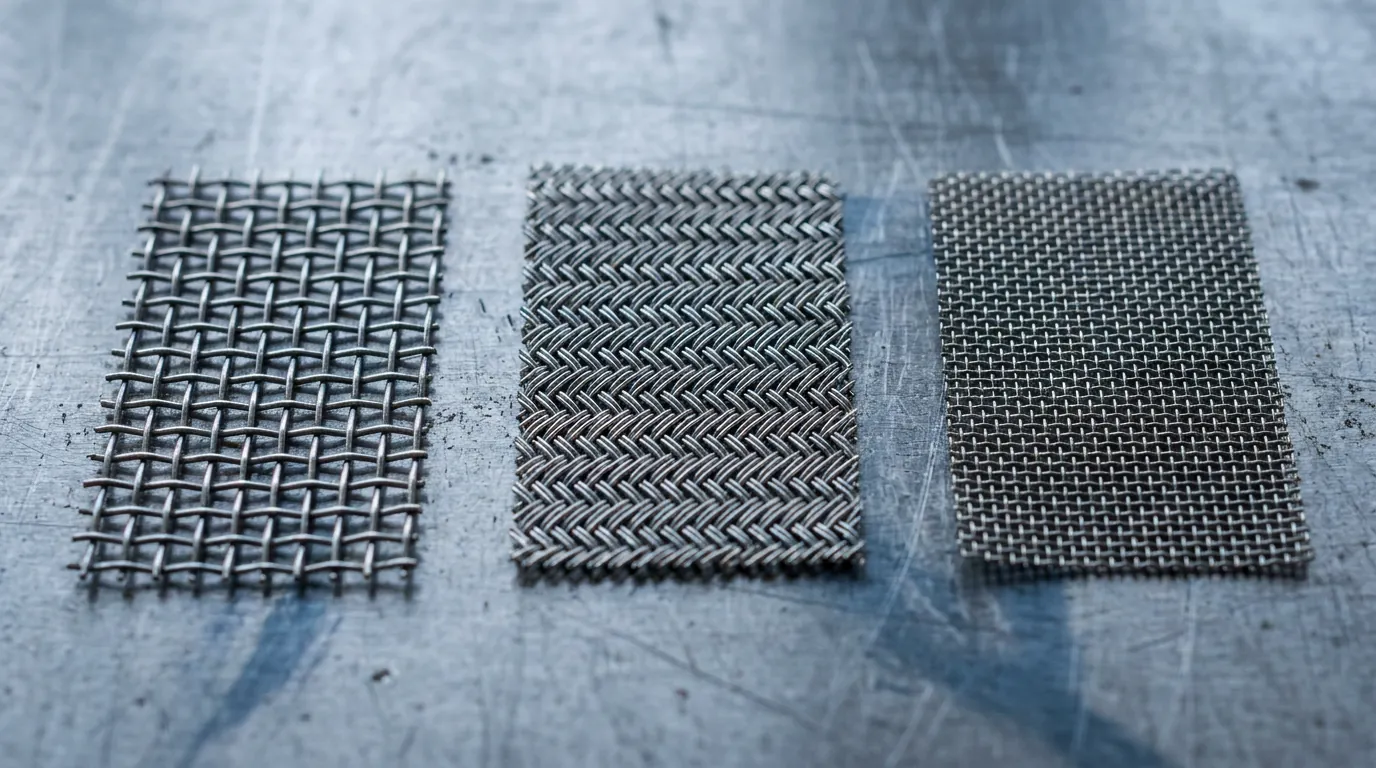
Plain, Twill and Dutch Weave Wire Mesh Compared
How plain, twill, plain Dutch, twill Dutch and reverse Dutch weaves differ in strength, fineness and filtration use, and which to specify for your duty.
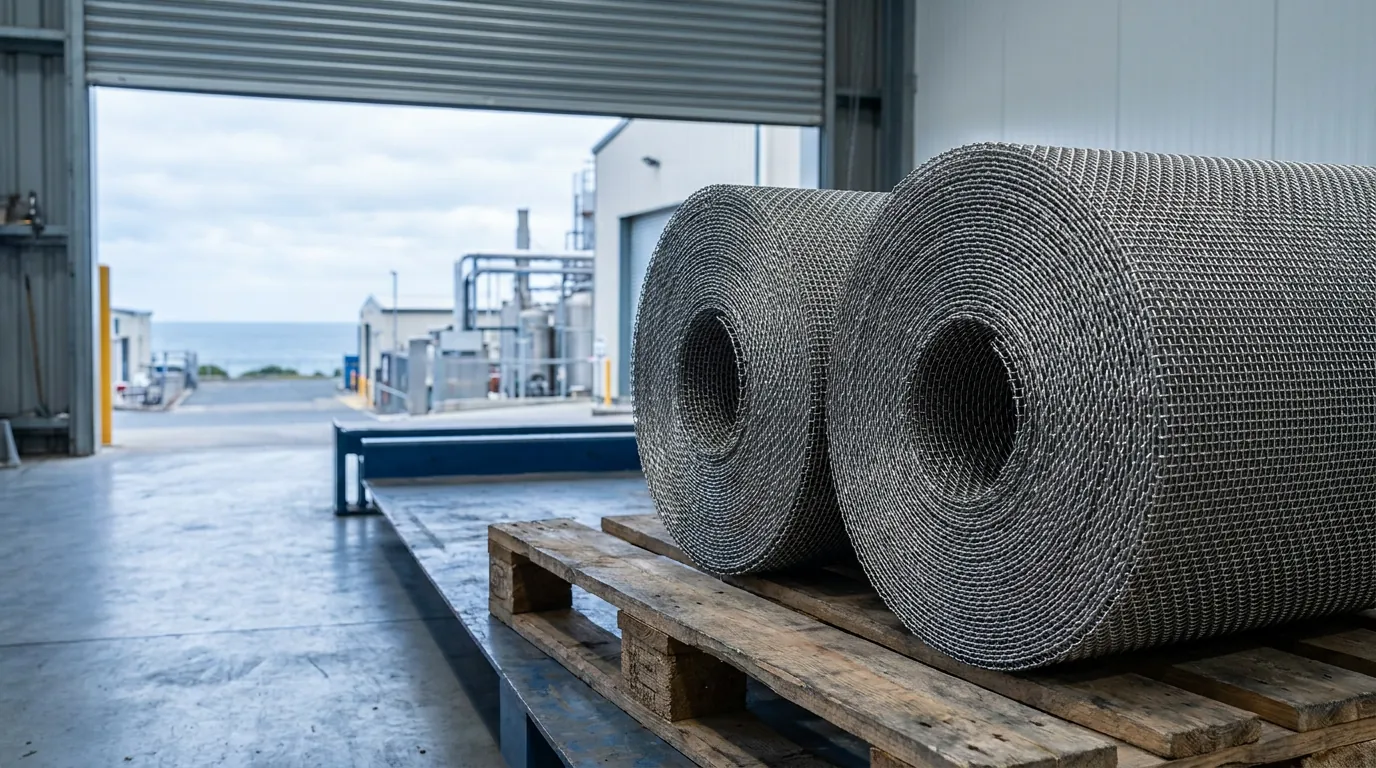
SS 304 vs SS 316 Wire Mesh: Which Grade to Specify
The real difference between SS 304 and SS 316 wire mesh: molybdenum, chloride resistance, cost, L grades, and where each one fits in plant service.
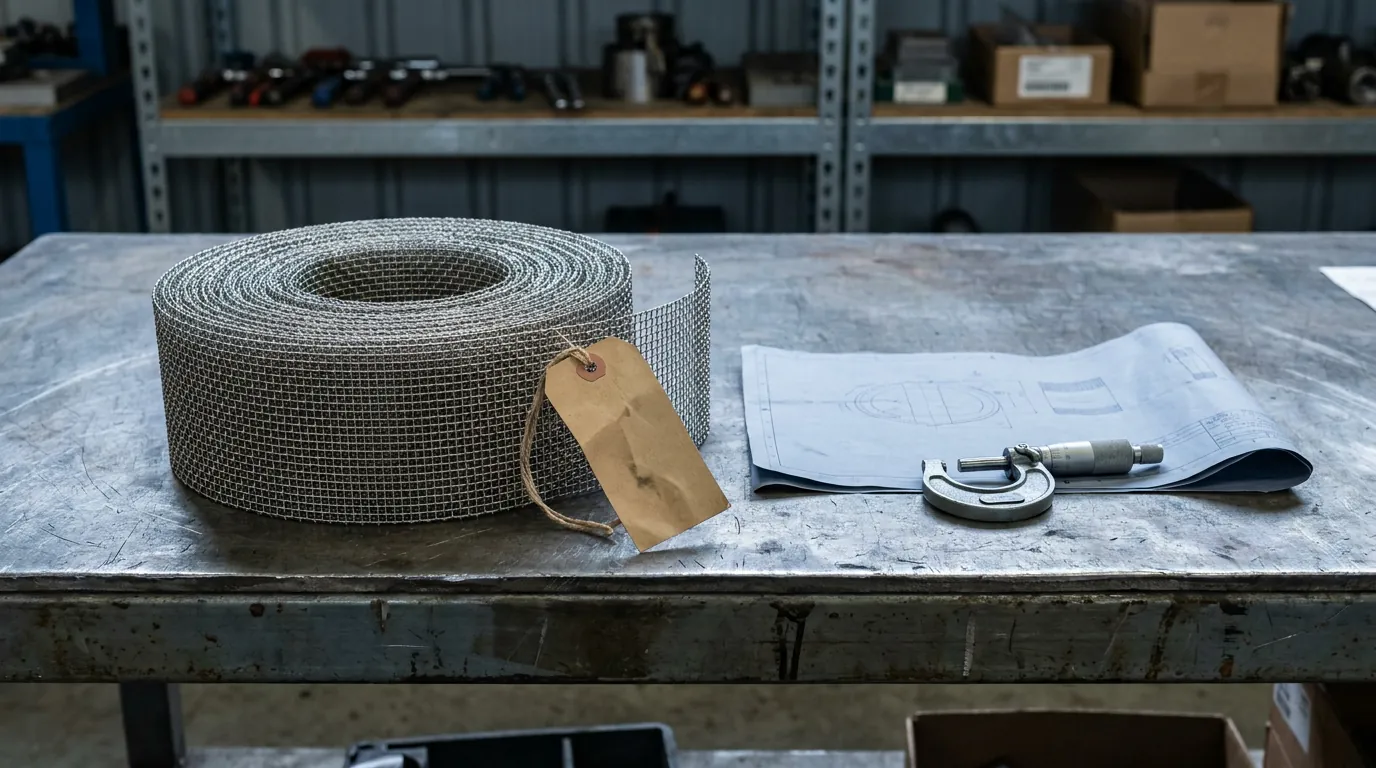
How to Read a Wire Mesh Specification
A line-by-line guide to a wire mesh spec: grade, mesh count, wire diameter, roll size and weave, plus the common ambiguities to confirm before ordering.

Wire Mesh for Filtration: Micron Ratings Explained
How micron ratings work for wire mesh filters: aperture vs particle size, nominal vs absolute rating, why Dutch weave is used, and sintered mesh.
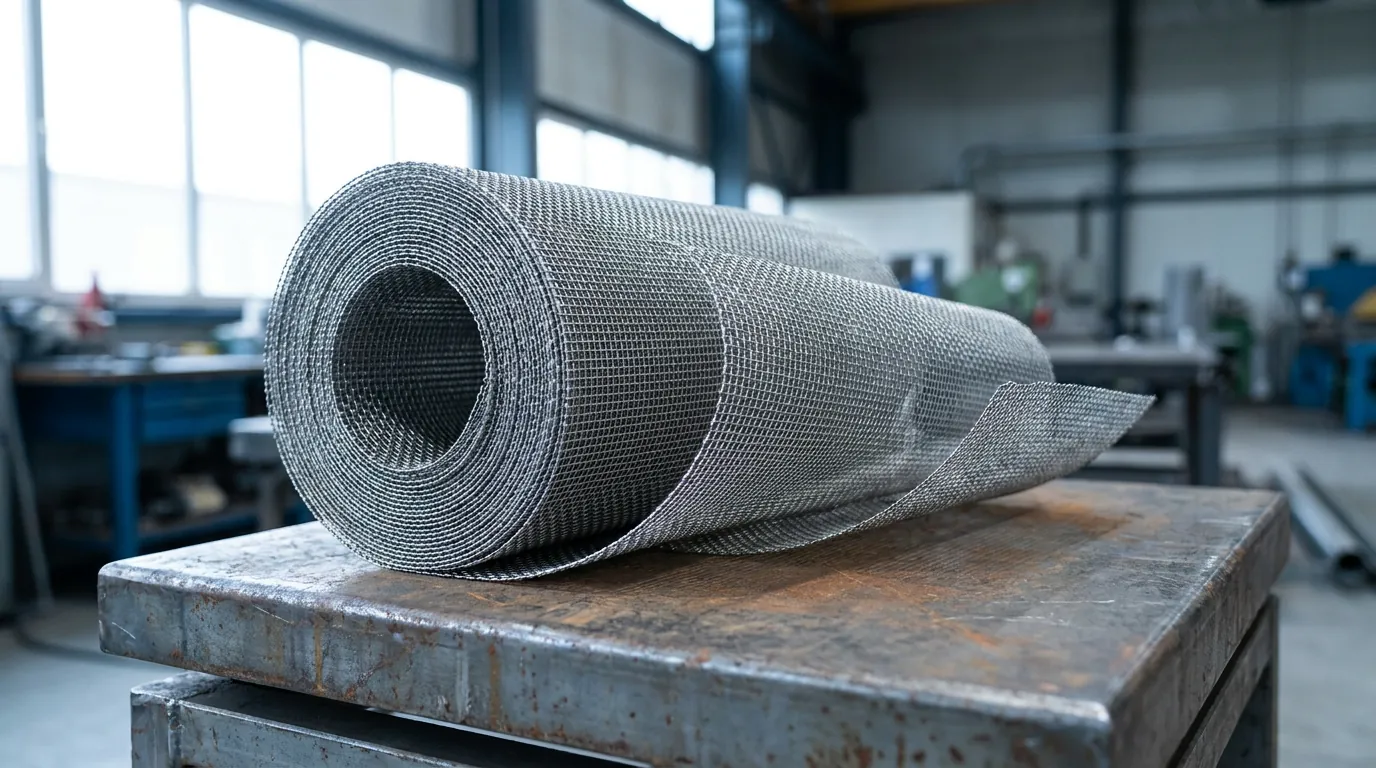
How to Calculate Woven Wire Mesh Weight per Square Metre
The formula for square weave wire mesh weight in kg/m², with pitch, wire diameter and density explained, plus two worked examples in SS 304 and mild steel.
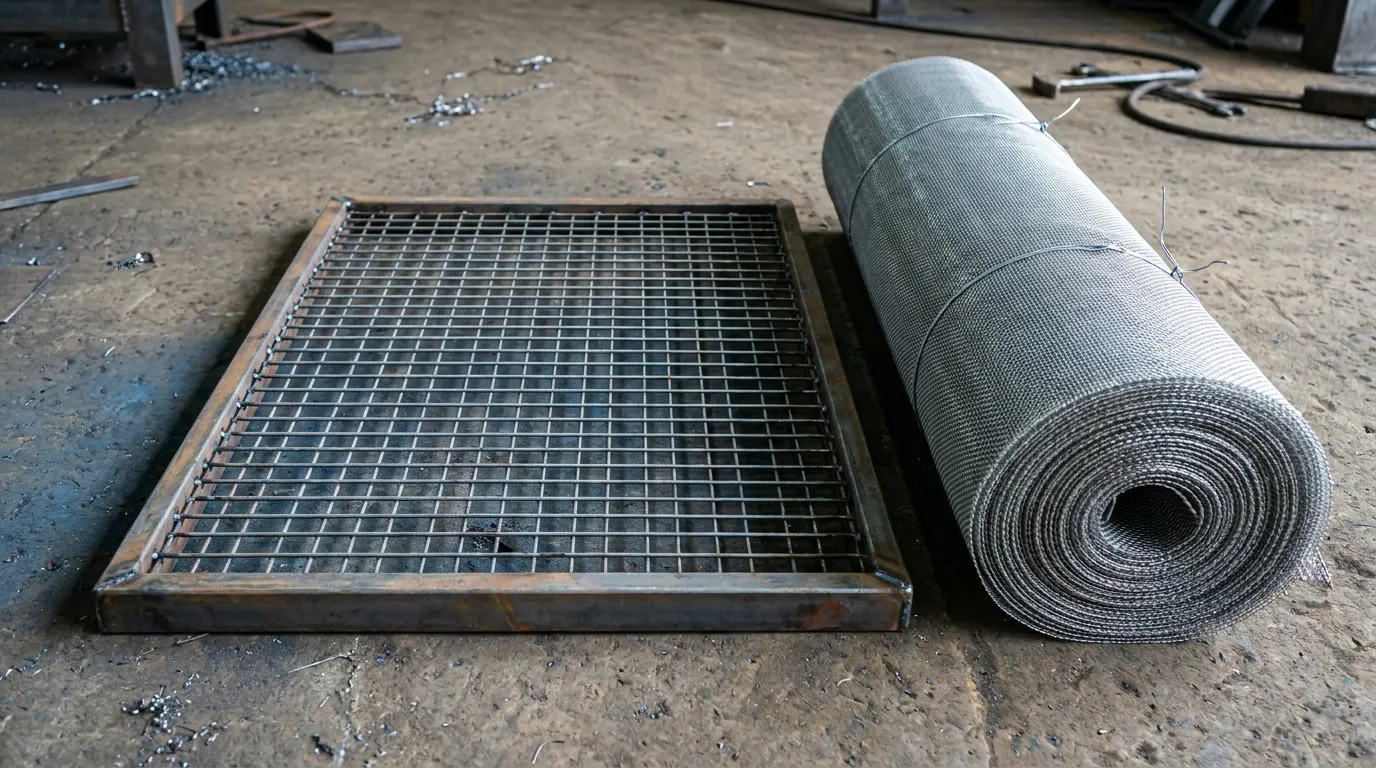
Welded vs Woven Wire Mesh: Which One Fits Your Job
How welded and woven wire mesh are made, how they differ in rigidity and opening accuracy, and which suits fencing, guards, screening or filtration.
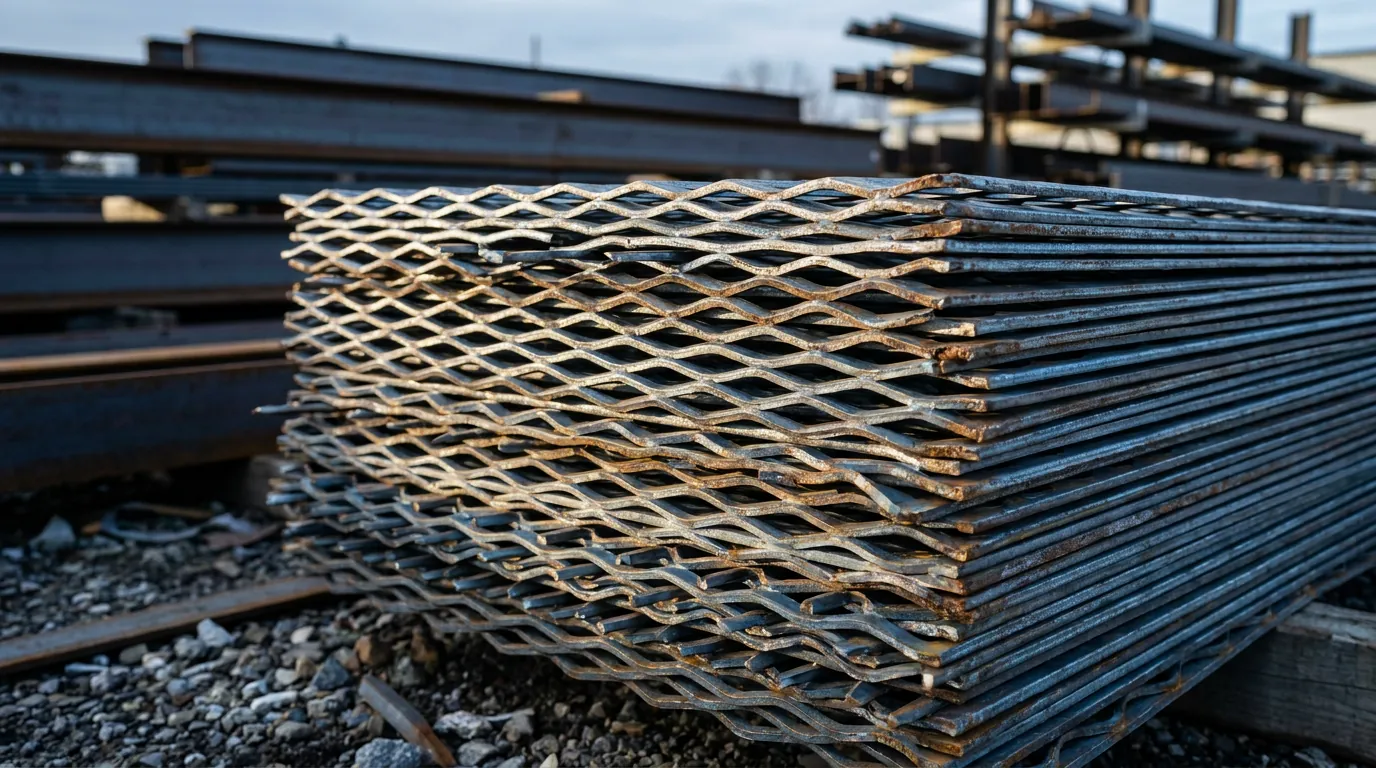
Expanded Metal Guide: Raised, Flattened, LWD and SWD
How expanded metal is slit and stretched from sheet, raised vs flattened, how to read LWD, SWD and strand, and where it is used.
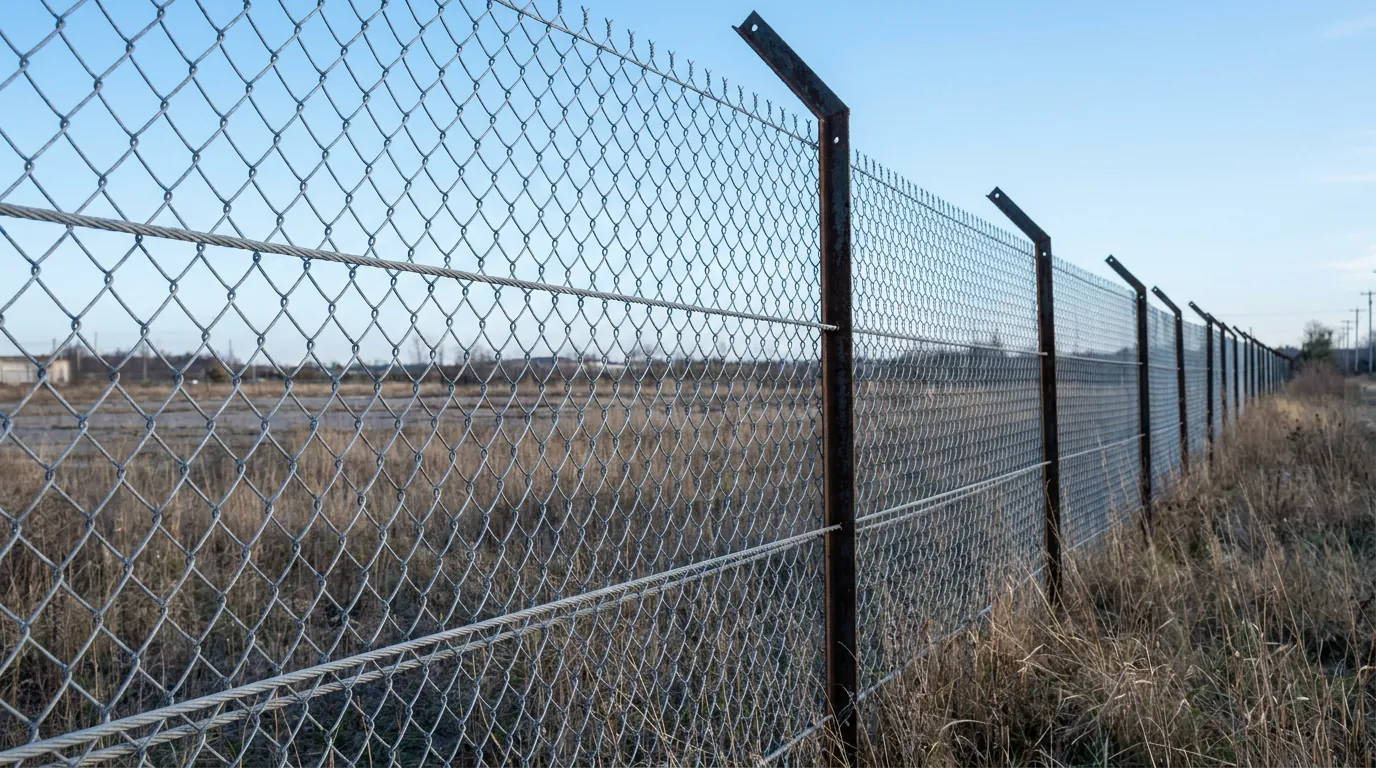
Chain Link Fencing Guide: Mesh, Wire, Coating and Posts
How to specify chain link fencing: mesh size, wire gauge, galvanised or PVC coated, height, posts, line wire and tensioning, and where it fits best.
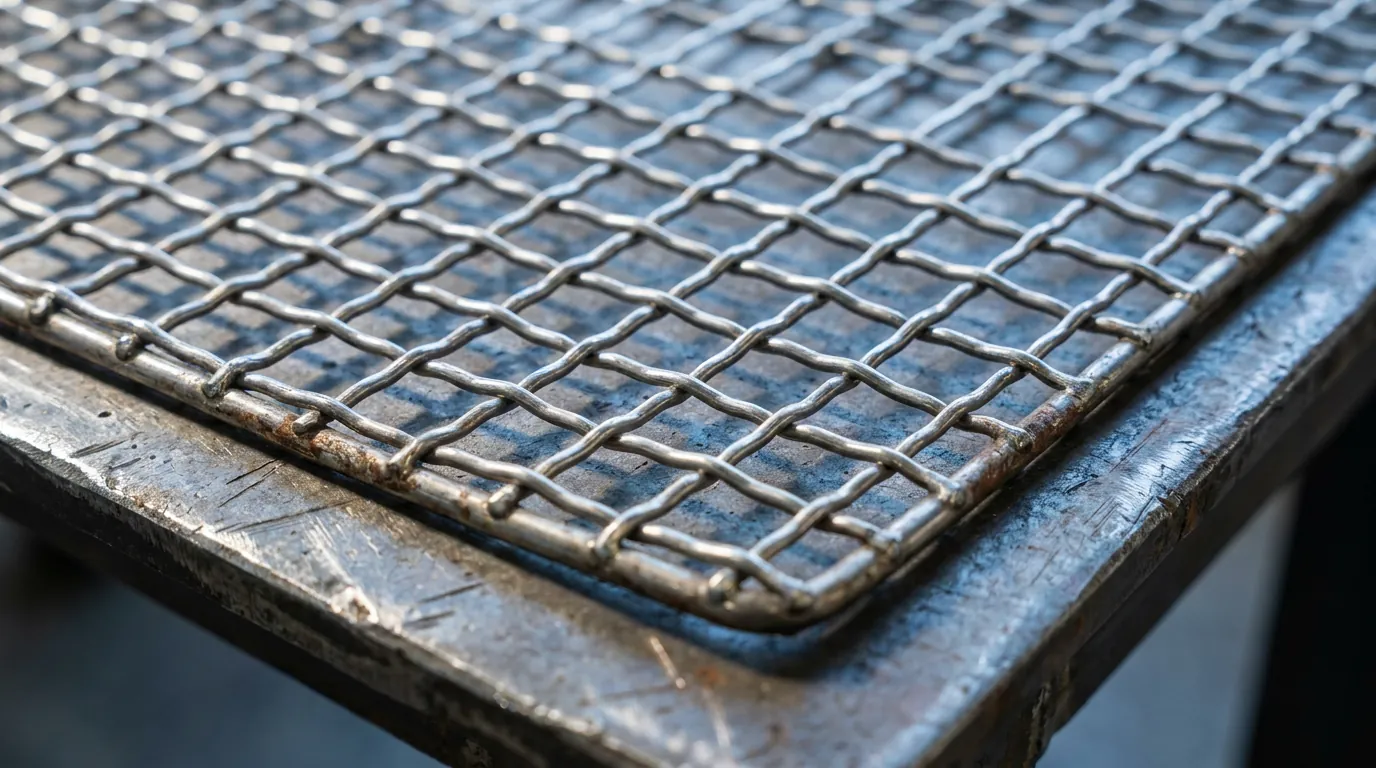
Crimped Wire Mesh Types: Double, Intermediate, Lock, Flat Top
The four main pre-crimp styles for woven wire mesh, why crimping holds the aperture, and how to choose a crimp for screens, guards, grills and facades.
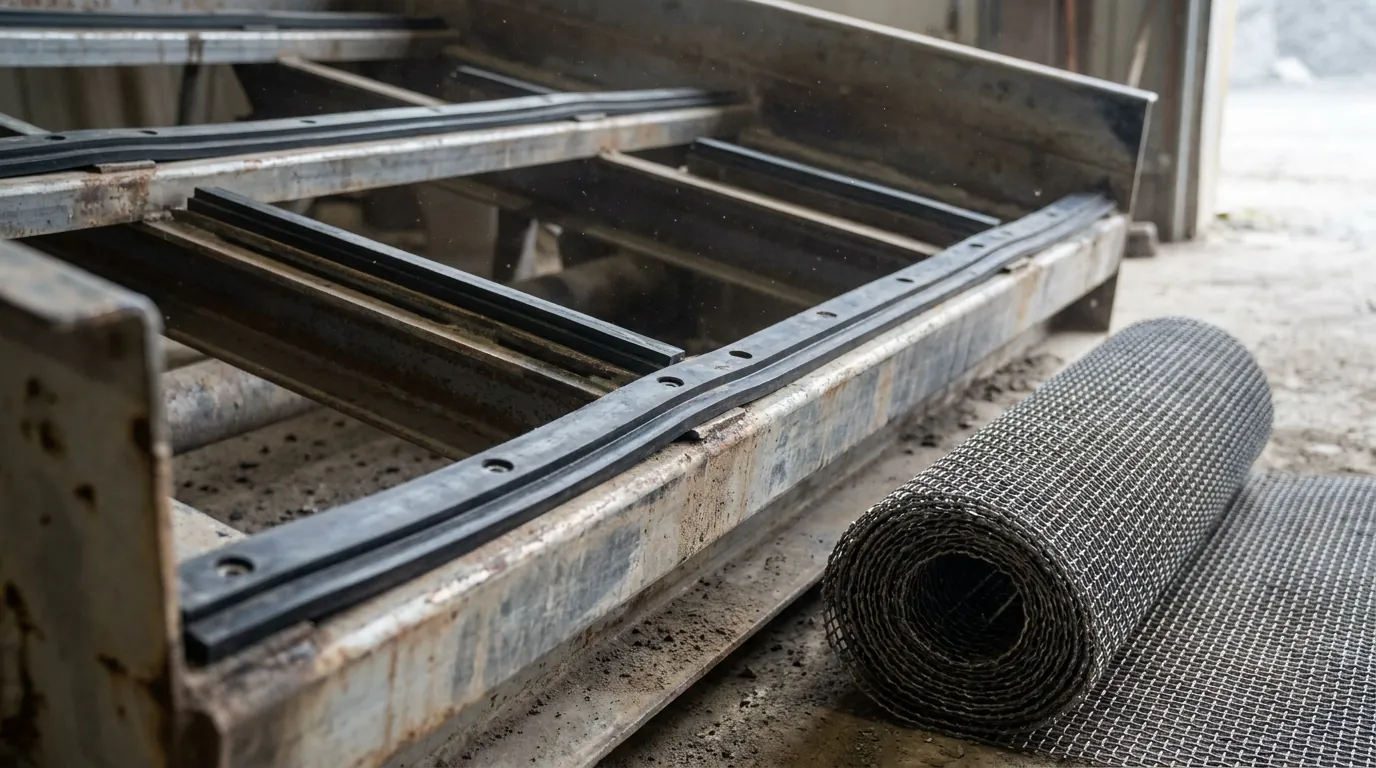
Why Vibrating Screens Need Rubber or PU Beading
What crown bar rubber and PU beading do under a vibrating screen, how rubber and polyurethane compare, and the signs that it needs replacing.
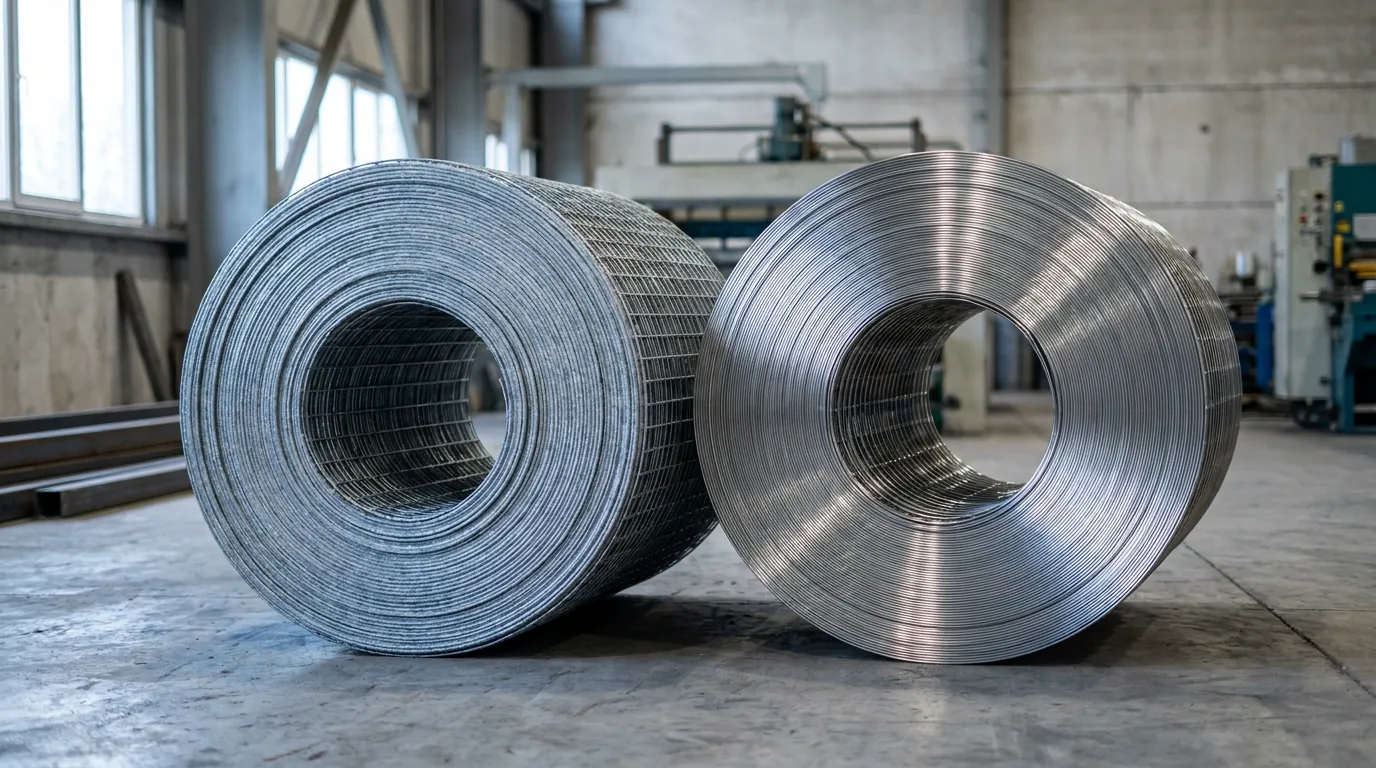
Galvanised vs Stainless Steel Mesh: How to Choose
Hot-dip vs electro galvanising, how zinc protects steel, where GI mesh is enough, where stainless pays off, and how to compare cost over service life.
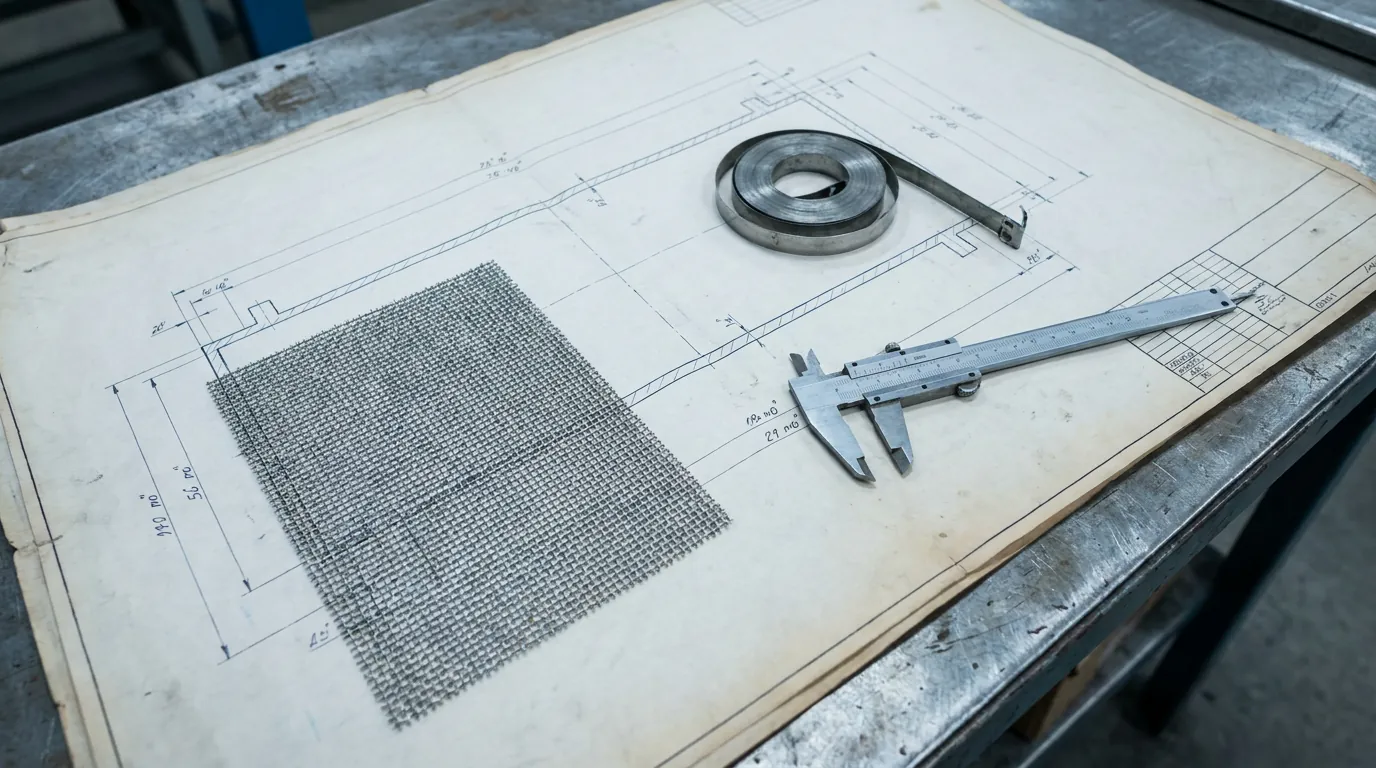
What to Send for a Fast, Accurate Wire Mesh Quote
A checklist of the details a supplier needs to quote wire mesh, perforated sheets or screens correctly the first time, with a sample enquiry.
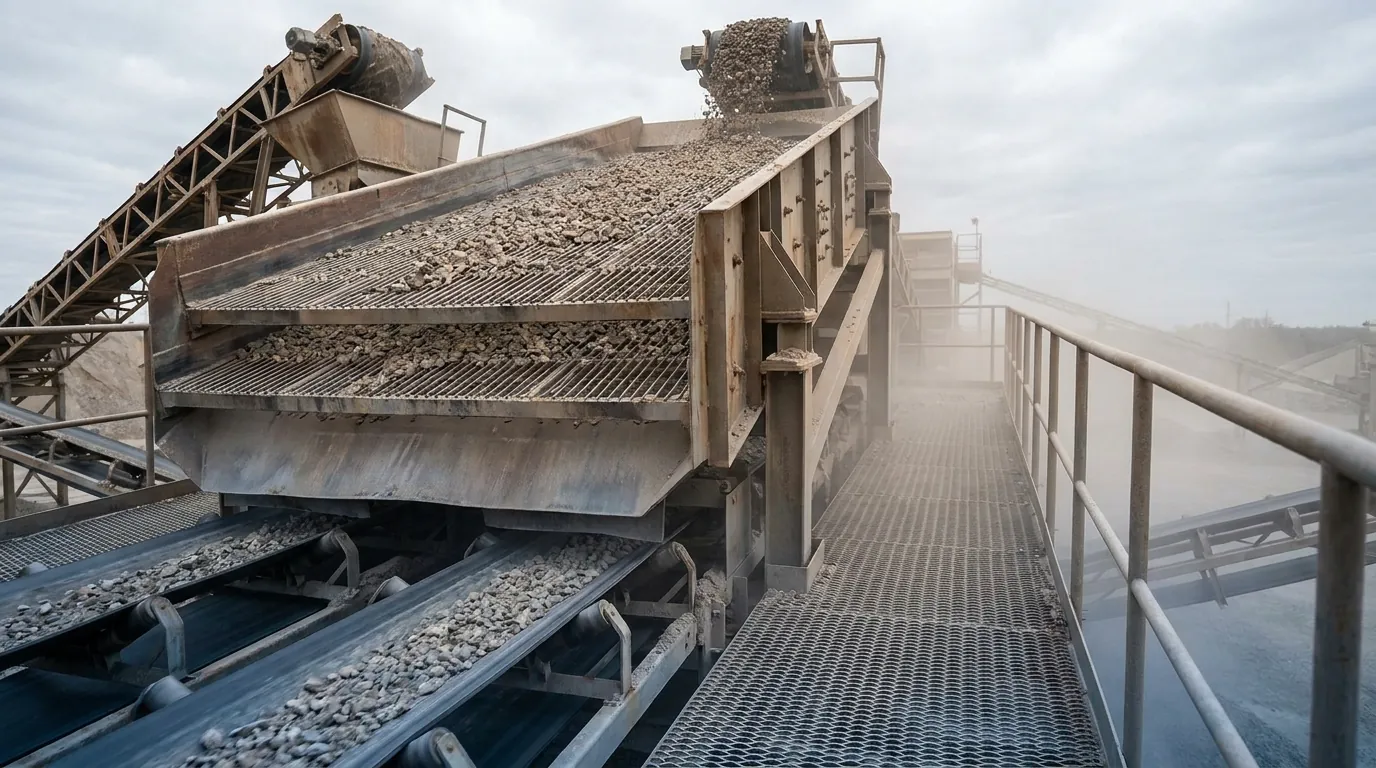
Mesh, Screens and Sheets Used in Mining, Cement and Steel Plants
Where woven mesh, vibrating screens, perforated sheets, expanded metal and fencing are typically used in mines, quarries, cement plants and steel plants.
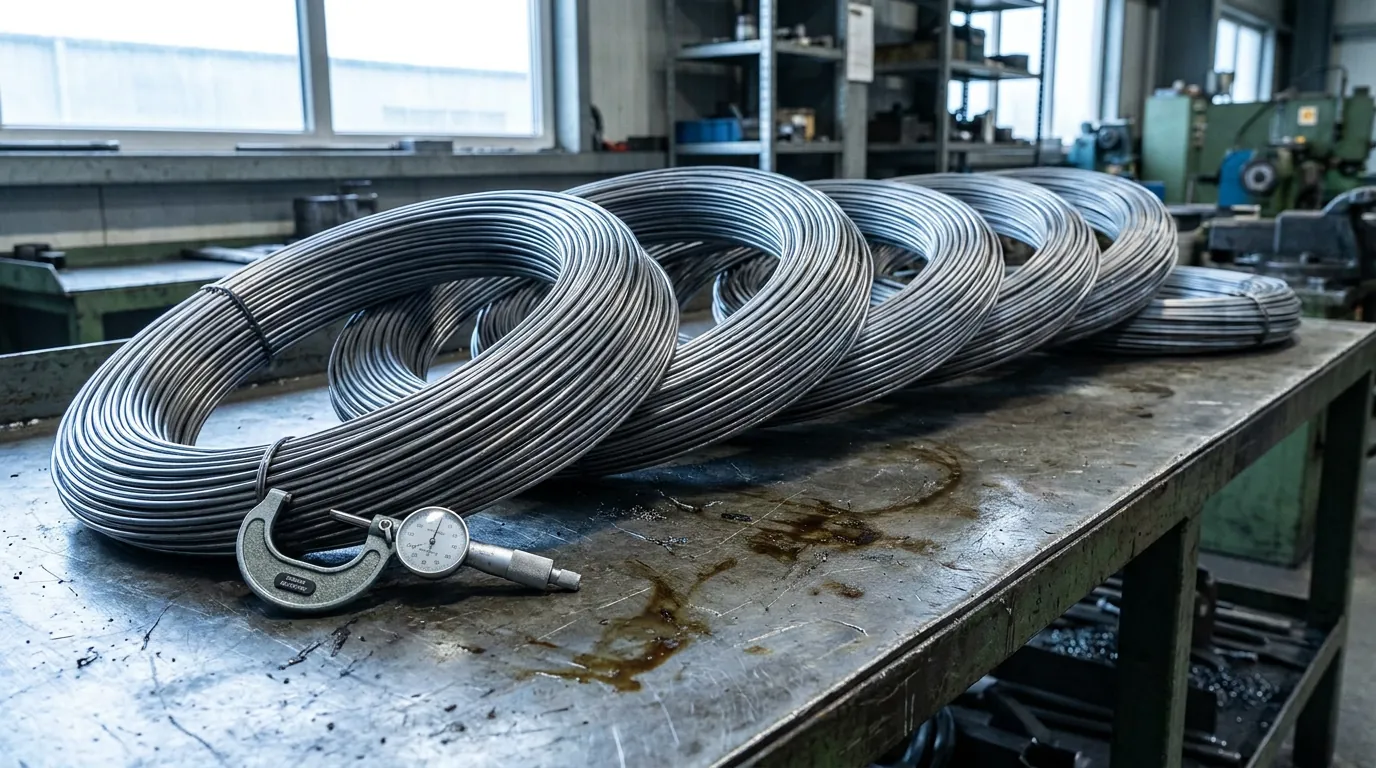
SWG Wire Gauge Explained, with Values in mm
What SWG means, why a higher gauge is a thinner wire, SWG 8 to 22 in mm, how SWG differs from BWG and AWG, and why to specify wire in mm.